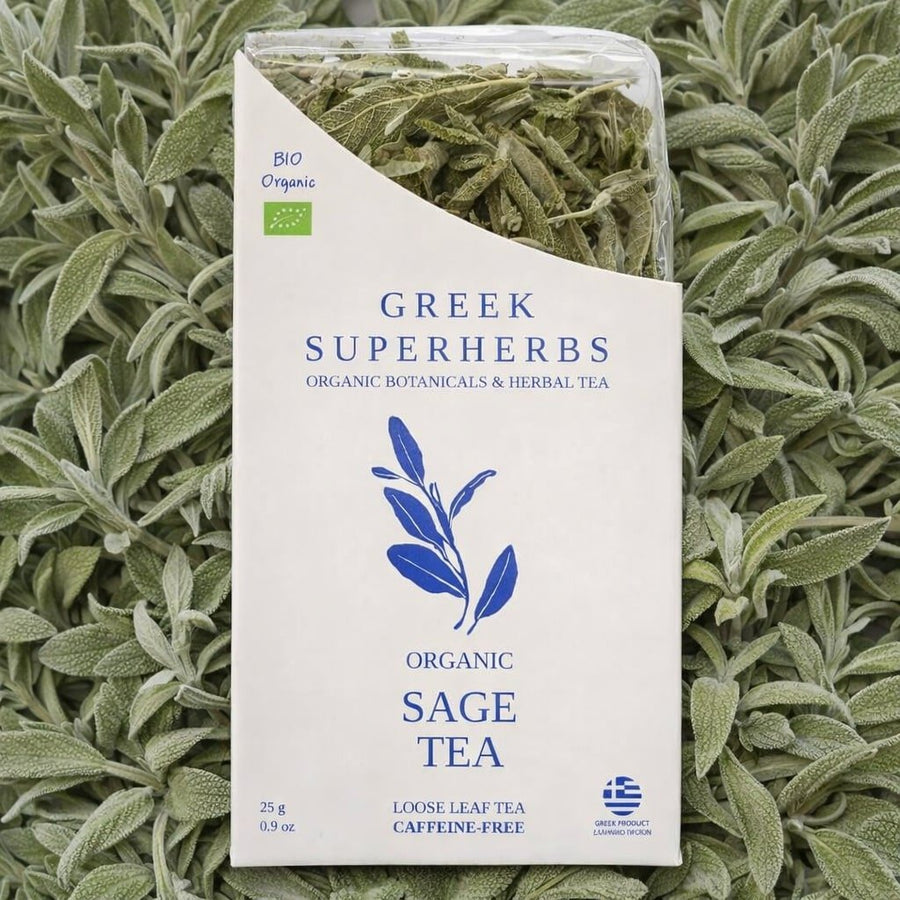

In Greek homes, the evening cup is not an afterthought. Chamomile from the fields of Grevena, a pinch of lavender, a sprig of mountain tea: herbs have been part of winding down here for as long as anyone remembers. But which are actually the best herbs for sleep, and how good is the evidence? This guide ranks six bedtime herbs by the strength of the research, explains how each may work and the best way to take it, and covers the cautions and the signs that poor sleep needs a doctor rather than a tea.
Key takeaways
- Most studied: valerian root has the most research, and it may improve how well people feel they slept. Results are mixed, and US sleep specialists do not recommend it for chronic insomnia.
- Best for a busy mind: lavender, chamomile, passionflower and lemon balm seem to help most when stress or worry keeps you awake. The trials are small.
- Form matters: the strongest lavender results come from an oral lavender oil capsule, not tea. Passionflower is one of the few herbs tested as an ordinary tea.
- No herb works instantly: none is as strong as a sleeping pill. They work best alongside a steady bedtime routine.
- See a doctor if: poor sleep lasts for weeks, or you snore loudly, gasp at night or feel sleepy during the day. CBT-I, a form of talking therapy, is the recommended first treatment for chronic insomnia.
Featured in this article


Best herbs for sleep at a glance
Here is a summary before we go herb by herb:
- Traditional useThe European Medicines Agency lists valerian, lavender, passionflower and lemon balm as traditional herbal medicines to relieve mild stress and aid sleep.
- Human studiesDozens of trials exist, mostly small or short. The clearest results are for valerian and oral lavender oil, and even these are mixed or apply mainly to anxiety-related sleep problems.
- Lab and animalMost of these herbs act on GABA, the brain's main calming messenger, in lab studies. How much of this happens after a cup of tea is unknown.
| Herb | How it may work | Evidence | Best form | Cautions |
|---|---|---|---|---|
| Valerian root | Valerenic acid and other compounds may act on GABA-A receptors | Most studied; mixed. May improve self-rated sleep quality | Extract or whole-root tea, 30–60 min before bed | Rare liver injury reports; don't mix with alcohol or sedatives; not in pregnancy or under 12 |
| Lavender | Calms anxiety, which then helps sleep | Good for an oral lavender oil capsule in anxiety; small trials for aroma; none for tea | Oral capsule (with a doctor), aroma, or tea as a ritual | Don't swallow essential oil; oral capsules can cause burping or nausea |
| Chamomile | Apigenin binds the benzodiazepine site of GABA-A receptors (lab) | Limited: better sleep quality in older adults; no clear benefit in chronic insomnia | Whole-flower tea or extract | Ragweed/daisy allergy; warfarin |
| Passionflower | Flavonoids may act on GABA | Limited: one small trial of the tea found better sleep quality | Tea, 1 cup before bed | Drowsiness; avoid in pregnancy and before surgery |
| Lemon balm | May act on GABA signalling (lab) | Preliminary: one small open-label study | Tea or extract, often blended with valerian | Adults and over-12s only (EMA) |
| Mountain tea | Caffeine-free; extract lowered anxiety in one trial | No direct sleep studies | Tea after dinner | Mint-family allergy; not in pregnancy (EMA) |
The 6 best herbs for sleep, ranked by evidence
1. Valerian root: the most studied
Valerian (Valeriana officinalis) is the herb most people mean when they ask for the strongest herb for sleep. It is also the only one on this list with a "well-established use" listing from the EMA: ethanol extracts, backed by clinical studies, for mild nervous tension and sleep disorders. Valerian tea has a separate "traditional use" listing.1
The research is large but inconsistent. A 2020 systematic review of 60 studies with nearly 6,900 participants concluded valerian could improve subjective sleep quality, with less consistent effects on objective measures. Whole-root preparations seemed more reliable than some extracts, possibly because quality varies so much between products.2 In 2017, the American Academy of Sleep Medicine recommended against valerian for chronic insomnia in adults.3
Valerian smells strongly earthy, which is why it is usually blended. Our Sleep Tea combines it with lavender, chamomile and passionflower.

2. Lavender: best when worry keeps you awake
Lavender's best evidence comes from Silexan, a specific lavender oil capsule sold as a medicine in parts of Europe. In an analysis of 212 adults with anxiety symptoms, 80 mg a day for ten weeks improved both anxiety and sleep compared with placebo. A later analysis found that about 98% of the sleep benefit came from lower anxiety, not from sedation.4
Scent may help too. In a trial of 79 college students with sleep problems, those who practised sleep hygiene and wore a lavender oil patch for five nights reported better sleep quality and woke feeling more refreshed than those using sleep hygiene alone.5 Lavender flower tea has not been tested in trials, though the EMA lists lavender flower as a traditional remedy for mild stress and to aid sleep.6
So there are three different lavenders: the capsule, which is a medicine to discuss with your doctor; the scent, from a diffuser or a few drops of lavender essential oil on a cloth (never swallowed); and the tea, a gentle ritual. NCCIH notes that it is unclear whether lavender aromatherapy helps sleep.7

3. Chamomile: the gentle classic
Chamomile is the world's favourite bedtime tea, and its flavonoid apigenin binds calming GABA-A receptors in the lab. The human evidence is modest. In a 2017 trial, 60 older adults who took 200 mg of chamomile extract twice a day for 28 days reported better sleep quality than a control group.8 A pilot trial in adults with chronic insomnia found no significant benefit.9 NCCIH describes the insomnia evidence as very limited.10
Chamomile is a good choice for a calm, caffeine-free habit rather than a fix. Brew whole flowers, covered, for 10 minutes or more. We explain why in our article on apigenin in chamomile tea.

4. Passionflower: tested as a tea
Passionflower (Passiflora incarnata) is one of the few sleep herbs studied as an everyday tea. In an Australian double-blind crossover trial, 41 adults drank passionflower tea or a placebo tea each night for a week. Sleep quality was rated significantly better after the passionflower week.11 NCCIH notes that a small amount of research suggests it might improve total sleep time, but effects on falling asleep are mixed.12 The EMA lists it as a traditional remedy for mild stress and to aid sleep in adults and over-12s.13

5. Lemon balm: calming, lightly lemony
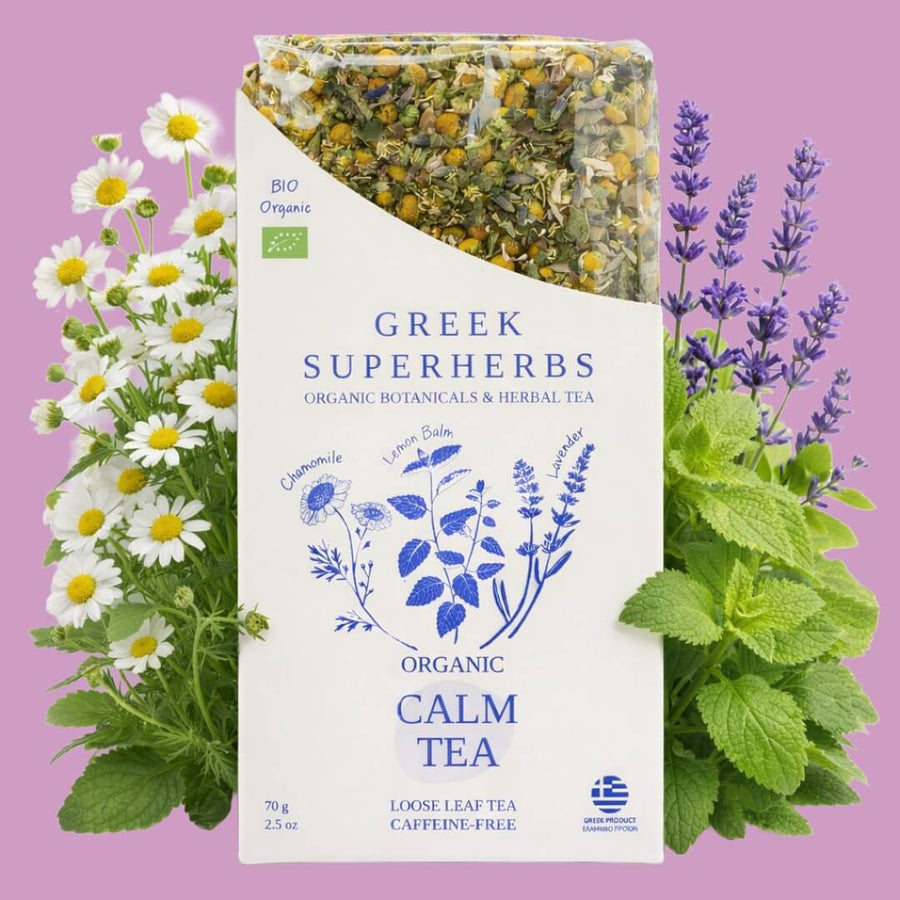
Lemon balm (Melissa officinalis) is a mint-family herb with a soft citrus scent. The EMA lists it as a traditional remedy for mild stress and to aid sleep, for adults and children over 12.14 Human data are thin. In a 15-day open-label pilot study of 20 adults with mild to moderate anxiety and sleep problems, a lemon balm extract was linked to 18% lower anxiety scores and 42% lower insomnia scores.15 There was no placebo group, so treat that as a lead, not proof. It is a key ingredient in our Calm Tea.
6. Greek mountain tea: calm, but not tested for sleep
Many Greeks drink mountain tea in the evening, and it is naturally caffeine-free. In a 28-day trial in adults aged 50–70, a concentrated Sideritis extract lowered anxiety scores.16 But no study has tested mountain tea for sleep. It earns a place as a pleasant, caffeine-free evening habit, not as a sleep remedy. More in our guide to Greek mountain tea benefits.
The best herb for sleep is the one that fits a routine you'll keep. None of them works like a pill, and none should have to.
Shop the article



How to make a bedtime tea
- Choose your blend: chamomile alone for a mild cup; chamomile, lavender and lemon balm for a racing mind; add valerian and passionflower for a stronger bedtime blend.
- Measure: 1–2 teaspoons of a blend (about 2 g), or 1–2 tablespoons of whole chamomile flowers, per 8 oz / 250 ml cup.
- Steep covered in water just off the boil for 7–10 minutes. Roots such as valerian need the longer time.
- Time it: drink it 30–60 minutes before bed, so a full bladder doesn't wake you later.
- Give it time: try it most nights for two to four weeks.
Browse all our bedtime blends in the sleep tea collection.
Sleep habits that help herbs work
A tea is most useful as a signal in a steady routine. The basics:
- Keep a consistent schedule. Go to bed and get up at the same time every day, weekends included.
- Build a wind-down ritual. Tea, a book, a warm shower or gentle stretching in the last half hour.
- Dim the screens. Put phones and laptops away for the last hour before bed.
- Make the bedroom dark, quiet and cool, and use the bed only for sleep.
- Watch caffeine, alcohol and late meals. Limit coffee after lunch, finish dinner two to three hours before bed, and remember that alcohol fragments sleep later in the night.
- Get up if you can't sleep. After about 20 minutes, get up and do something calm in dim light until you feel sleepy.
When insomnia needs a doctor
Herbs are for occasional restless nights. If poor sleep happens most nights for more than a few weeks, or affects how you function during the day, see a doctor. For chronic insomnia, the American College of Physicians recommends cognitive behavioural therapy for insomnia (CBT-I) as the first treatment for all adults.17
Also see a doctor if you have signs of sleep apnea: loud, frequent snoring, breathing that stops and starts, gasping at night, morning headaches, a dry mouth, or feeling very sleepy during the day.18 Sleep apnea is common, treatable, and not something herbs can fix. Other reasons to check in are low mood or anxiety, restless legs, pain, or waking to urinate often.
Safety: who should be careful
Valerian: very rare cases of liver injury have been reported, most often with other herbs. Side effects can include headache, stomach upset and mental dullness. Don't combine it with alcohol or sedatives. The EMA advises against it in pregnancy, breastfeeding and under 12s.13
Passionflower: can cause drowsiness, dizziness and confusion. It should not be used in pregnancy because it may trigger uterine contractions. Stop it before surgery, as it may interact with anaesthesia.12
Chamomile: avoid it if you are allergic to ragweed, daisies or other Asteraceae plants. Interactions with warfarin have been reported.10
Lavender: never swallow lavender essential oil. Oral lavender capsules can cause burping, nausea or headache, and should be discussed with your doctor.7
Driving: don't drive or operate machinery if a sleep herb leaves you drowsy, especially the morning after you first try it.
Pregnancy, breastfeeding and children: safety is not well studied for most sleep herbs. Ask your doctor, midwife or paediatrician first.
Medications: if you take sleep medicines, antidepressants, anti-anxiety drugs, blood thinners or several prescriptions, check with your doctor or pharmacist before adding herbal sleep aids.
Best herbs for sleep FAQ
What are the best herbs for sleep?
The best-studied are valerian root, lavender, chamomile, passionflower and lemon balm. Valerian has the most research, though results are mixed. Lavender, chamomile, passionflower and lemon balm seem most helpful when stress or worry keeps you awake.
What is the strongest herb for sleep?
Valerian root is usually considered the strongest and is the most studied. Even so, trials show modest and inconsistent effects, and no herb is as strong as a prescription sleeping pill.
Are there herbs that make you sleep instantly?
No. Sleep herbs have mild effects that build over days to weeks. Be wary of any product promising instant sleep.
What is the best herbal tea for sleep?
Chamomile is the gentlest everyday choice. Passionflower is one of the few herbs tested as a plain tea. A blend of chamomile, lavender, valerian and passionflower combines the most-studied bedtime herbs in one cup.
What herbs help with insomnia?
Valerian, chamomile, passionflower, lavender and lemon balm are traditionally used for occasional sleeplessness, but the evidence for chronic insomnia is weak. If insomnia lasts more than a few weeks, see a doctor. CBT-I is the recommended first treatment.
Can I drink sleep tea every night?
Most people can drink a cup of chamomile or a gentle blend nightly. Valerian's long-term effects are unknown, so check with your doctor if you are pregnant, breastfeeding or take medication.
Can I take sleep herbs with melatonin or sleeping pills?
Ask your doctor first. Combining herbs like valerian or passionflower with other sleep aids, alcohol or sedatives may cause too much drowsiness.
The best herbs for sleep are gentle helpers, not knockout drops. Pick the one that suits the reason you're awake, make it part of a steady routine, and see a doctor if poor sleep lasts.
Keep reading: Apigenin in chamomile tea · Greek mountain tea benefits · Greek medicinal herbs
Sources
- European Medicines Agency, HMPC. Valerianae radix (valerian root) herbal monograph and summary. 2016.
- Shinjyo N, Waddell G, Green J. Valerian root in treating sleep problems and associated disorders: a systematic review and meta-analysis. J Evid Based Integr Med. 2020;25:2515690X20967323.
- National Center for Complementary and Integrative Health. Valerian: usefulness and safety. Updated May 2025. (Includes the 2017 American Academy of Sleep Medicine recommendation.)
- Seifritz E, Schläfke S, Holsboer-Trachsler E. Beneficial effects of Silexan on sleep are mediated by its anxiolytic effect. J Psychiatr Res. 2019;115:69–74.
- Lillehei AS, Halcón LL, Savik K, Reis R. Effect of inhaled lavender and sleep hygiene on self-reported sleep issues: a randomized controlled trial. J Altern Complement Med. 2015;21(7):430–438.
- European Medicines Agency, HMPC. Lavandulae flos (lavender flower) herbal monograph.
- National Center for Complementary and Integrative Health. Lavender: usefulness and safety. Updated February 2025.
- Adib-Hajbaghery M, Mousavi SN. The effects of chamomile extract on sleep quality among elderly people: a clinical trial. Complement Ther Med. 2017;35:109–114.
- Zick SM, Wright BD, et al. Preliminary examination of the efficacy and safety of a standardized chamomile extract for chronic primary insomnia: a randomized placebo-controlled pilot study. BMC Complement Altern Med. 2011;11:78.
- National Center for Complementary and Integrative Health. Chamomile: usefulness and safety. Updated November 2024.
- Ngan A, Conduit R. A double-blind, placebo-controlled investigation of the effects of Passiflora incarnata (passionflower) herbal tea on subjective sleep quality. Phytother Res. 2011;25(8):1153–1159.
- National Center for Complementary and Integrative Health. Passionflower: usefulness and safety. Updated April 2025.
- European Medicines Agency, HMPC. Passiflorae herba (passion flower) herbal monograph. Revision 1, 2014.
- European Medicines Agency, HMPC. Melissae folium (melissa leaf) herbal monograph. 2013.
- Cases J, et al. Pilot trial of Melissa officinalis L. leaf extract in the treatment of volunteers suffering from mild-to-moderate anxiety disorders and sleep disturbances. Mediterr J Nutr Metab. 2011;4(3):211–218.
- Wightman EL, et al. The acute and chronic cognitive and cerebral blood flow effects of a Sideritis scardica (Greek mountain tea) extract. Nutrients. 2018;10(8):955.
- Qaseem A, Kansagara D, et al. Management of chronic insomnia disorder in adults: a clinical practice guideline from the American College of Physicians. Ann Intern Med. 2016;165(2):125–133.
- National Heart, Lung, and Blood Institute. Sleep apnea: symptoms.
This article is for general information and is not medical advice. These statements have not been evaluated by the FDA. Our products are not intended to diagnose, treat, cure or prevent any disease. If you are pregnant, nursing, taking medication or have a medical condition, talk to your doctor first.