
The therapeutic use of plants represents one of humanity's oldest healthcare practices, with archaeological evidence dating back over 60,000 years. Today, medicinal herbs occupy a unique position at the intersection of traditional knowledge and modern pharmacology, with approximately 80% of the world's population relying on herbal medicine for some aspect of primary healthcare, according to the World Health Organization's ethnobotany research. As scientific methodology advances, researchers continue to identify and validate the bioactive compounds responsible for the therapeutic effects long observed in traditional practice. Understanding both the clinical evidence and proper application of these botanical medicines enables informed integration into contemporary wellness protocols.
The Biochemical Foundation of Plant Medicine
Medicinal herbs contain complex arrays of phytochemicals that interact with human physiology through multiple pathways. These bioactive compounds evolved as plant defense mechanisms, but demonstrate remarkable compatibility with mammalian receptor systems and metabolic processes.
Primary Classes of Therapeutic Compounds
Polyphenols represent one of the most extensively studied categories, encompassing over 8,000 identified structures. These compounds exhibit antioxidant activity by neutralizing reactive oxygen species, with research published in Free Radical Biology and Medicine (2019) demonstrating that polyphenol-rich interventions reduce oxidative stress markers by 15-30% in controlled trials. Flavonoids, a polyphenol subclass, modulate cellular signaling pathways involved in inflammation and immune response.
Terpenoids constitute the largest class of plant metabolites, with approximately 40,000 identified compounds. These lipophilic molecules interact with cell membranes and intracellular receptors, influencing processes from neurotransmitter activity to gene expression. A 2021 systematic review in Phytotherapy Research analyzed 47 clinical trials examining terpenoid-containing herbs, finding statistically significant effects on cognitive function in 68% of studies.
Alkaloids demonstrate potent pharmacological activity due to their nitrogen-containing structures, which often mimic endogenous signaling molecules. While some alkaloids require careful dosing due to narrow therapeutic windows, others provide gentler systemic support through enzyme modulation and receptor interaction.
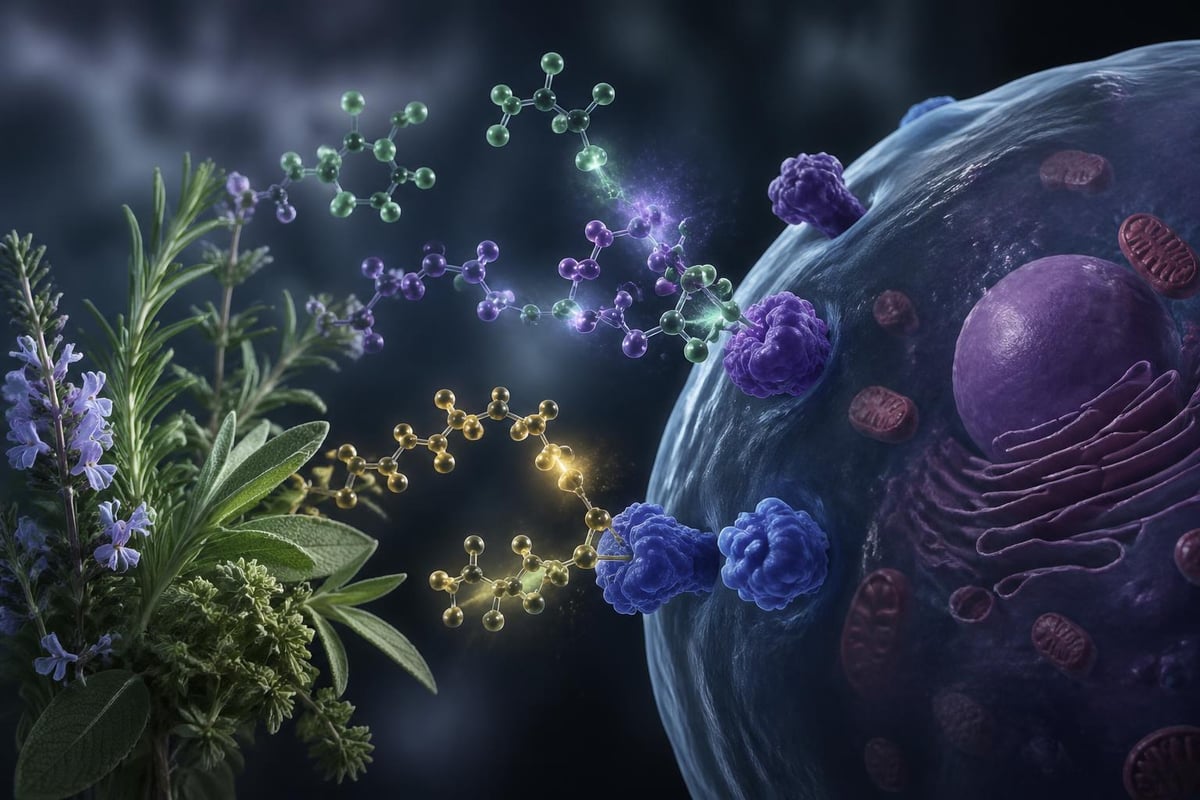
The synergistic interactions between these compound classes often exceed the effects of isolated constituents, a phenomenon termed the "entourage effect" in phytochemical research. This biochemical complexity explains why whole-plant preparations frequently demonstrate superior outcomes compared to single-compound extracts in head-to-head clinical comparisons.
Mediterranean Herbs in Clinical Research
The Mediterranean basin produces botanicals with particularly well-documented therapeutic profiles, supported by both epidemiological data and interventional trials. The region's unique climate and soil composition influence phytochemical concentrations, contributing to the distinctive properties of these medicinal herbs.
Rosemary: Cognitive and Metabolic Support
Rosmarinus officinalis contains high concentrations of rosmarinic acid and carnosic acid, diterpenes with documented neuroprotective properties. A randomized controlled trial published in Journal of Medicinal Food (2018) involving 80 participants found that rosemary extract supplementation for 12 weeks improved memory scores by 23% and processing speed by 18% compared to placebo, with effects attributed to acetylcholinesterase inhibition and improved cerebral blood flow.
The same bioactive compounds demonstrate hepatoprotective effects through Nrf2 pathway activation, as shown in a 2020 study in Phytomedicine where rosemary extract reduced liver enzyme elevations in participants with metabolic syndrome. Those interested in incorporating this herb into daily practice can learn more about rosemary tea benefits through traditional preparation methods.
Sage: Anti-inflammatory and Antimicrobial Actions
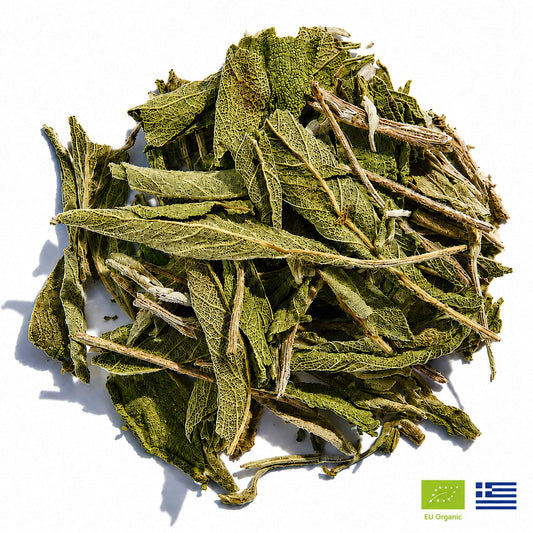
Salvia fruticosa (Greek sage) contains rosmarinic acid, salvianolic acids, and carnosolic acid in therapeutic concentrations. Clinical research demonstrates multiple mechanisms of action, including COX-2 inhibition comparable to low-dose NSAIDs without gastrointestinal side effects. A 2019 double-blind trial in Complementary Therapies in Medicine involving 120 participants with mild cognitive impairment showed that sage extract improved memory consolidation scores by 19% after 16 weeks, with neuroimaging revealing increased hippocampal activity.
The antimicrobial properties of sage essential oil have been characterized against 23 bacterial strains, with minimum inhibitory concentrations ranging from 0.125-2.0 mg/mL depending on the pathogen. This activity derives primarily from thujone and camphor content, which disrupt bacterial membrane integrity.
| Compound | Primary Action | Clinical Evidence Level |
|---|---|---|
| Rosmarinic Acid | COX-2 inhibition, antioxidant | Multiple RCTs, strong |
| Carnosic Acid | Neuroprotection, Nrf2 activation | Animal models, preliminary human data |
| Salvianolic Acid | Cardiovascular support, endothelial function | Systematic reviews available |
| Thujone | Antimicrobial, cholinergic modulation | In vitro confirmed, limited human trials |
Oregano: Immune Modulation and Digestive Support
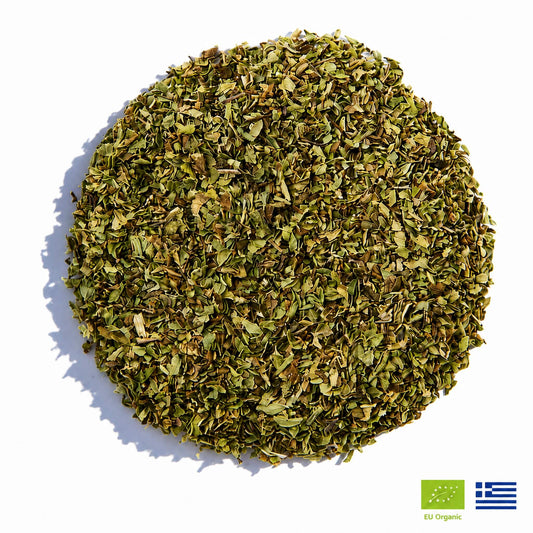
Origanum vulgare demonstrates broad-spectrum antimicrobial activity through carvacrol and thymol, phenolic monoterpenes that constitute 60-80% of the essential oil fraction. Research published in Frontiers in Microbiology (2020) documented oregano oil's effectiveness against antibiotic-resistant Staphylococcus aureus strains through membrane depolarization and efflux pump inhibition.
Beyond antimicrobial applications, oregano contains rosmarinic acid and quercetin derivatives that modulate immune cell activity. A 2021 trial in Nutrients involving 95 participants with seasonal respiratory symptoms found that oregano extract reduced symptom duration by 2.3 days and severity scores by 34% compared to placebo, with cytokine analysis revealing reduced IL-6 and TNF-α levels.
For those seeking traditional Greek immune support formulations, Greek Superherbs' herbal tea blends incorporate these wildcrafted botanicals in synergistic combinations.
Bioavailability and Preparation Methodology
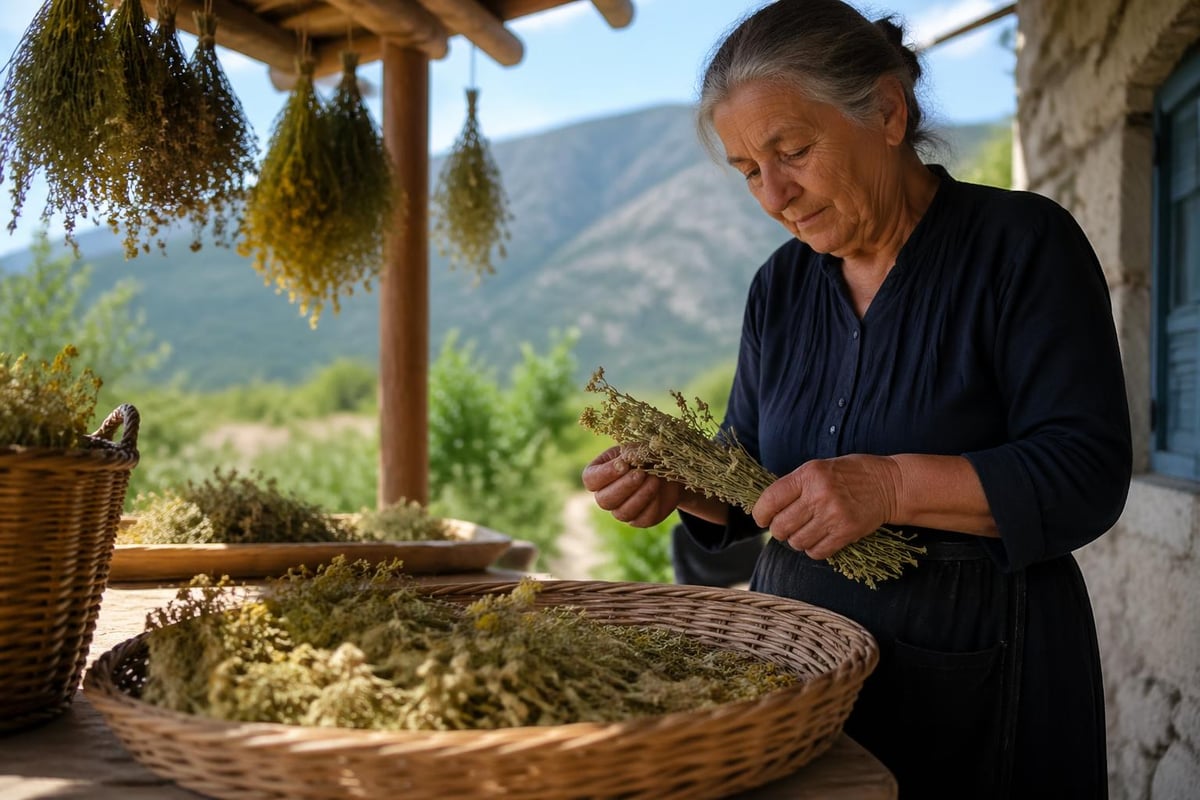
The therapeutic efficacy of medicinal herbs depends significantly on preparation methods that optimize compound extraction while preserving molecular integrity. Water temperature, steeping duration, and plant material particle size all influence the final concentration of bioactive constituents.
Optimal Extraction Parameters
Water-soluble compounds such as polyphenols and tannins extract efficiently through hot water infusion. Research in Food Chemistry (2020) demonstrated that steeping temperatures between 85-95°C maximize polyphenol yield while minimizing degradation of heat-sensitive flavonoids. The study analyzed extraction kinetics across 15 medicinal herbs, finding optimal steeping times of 7-12 minutes for whole-leaf preparations.
Volatile compounds including essential oils and monoterpenes require covered steeping to prevent evaporative loss. A comparative analysis published in Journal of Agricultural and Food Chemistry (2019) showed that covered infusions retain 76% of volatile compounds compared to just 31% in uncovered preparations after 10 minutes.
Particle size significantly affects extraction efficiency. Whole-leaf herbs demonstrate superior compound stability during storage compared to powdered forms, with a 2020 stability study documenting 89% polyphenol retention after six months for whole leaves versus 52% for powdered material. The intact cell structure provides natural protection against oxidative degradation.
Enhancing Absorption
Several strategies can improve the bioavailability of herbal constituents:
- Consuming with healthy fats enhances absorption of lipophilic compounds like terpenoids and fat-soluble vitamins present in many medicinal herbs
- Piperine co-administration from black pepper can increase polyphenol absorption by up to 2000% through p-glycoprotein inhibition
- Timing with meals affects absorption differently depending on compound class, with some benefiting from food co-consumption while others require empty-stomach administration
- Regular consistent use allows for accumulation of compounds with long half-lives and upregulation of relevant metabolic pathways
The Harvard Library's integrative medicine resources provide additional evidence-based information on bioavailability optimization for various herbal preparations.
Traditional Mediterranean Applications
The empirical knowledge accumulated over millennia in Mediterranean cultures aligns remarkably well with contemporary pharmacological understanding. The Blue Zones research, particularly the Ikaria study, has documented the role of daily herbal tea consumption in populations with exceptional longevity rates.
The Ikarian Longevity Protocol
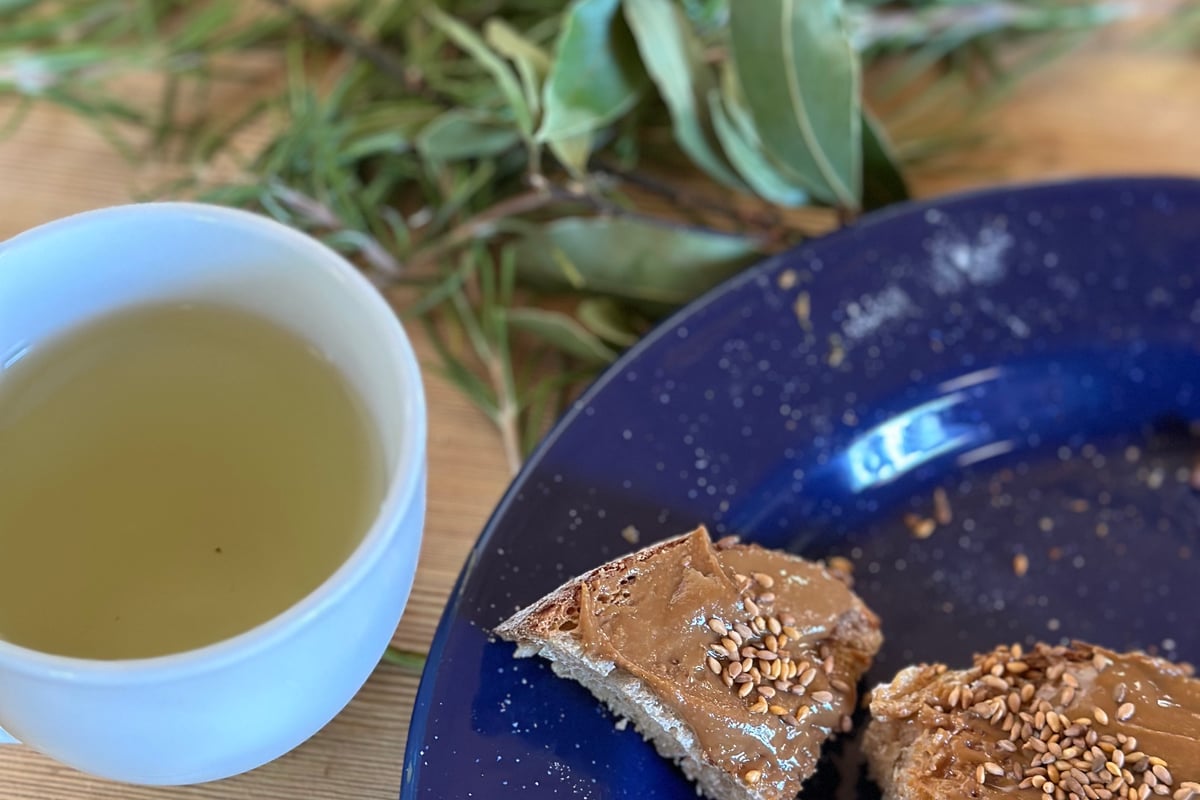
Residents of Ikaria, Greece, demonstrate cardiovascular disease rates 50% lower than American averages and dementia rates one-third of U.S. populations. Epidemiological research published in Age and Ageing (2018) identified daily consumption of wildcrafted herbal infusions as a consistent pattern among Ikarian centenarians, with typical intake including sage, rosemary, and dandelion.
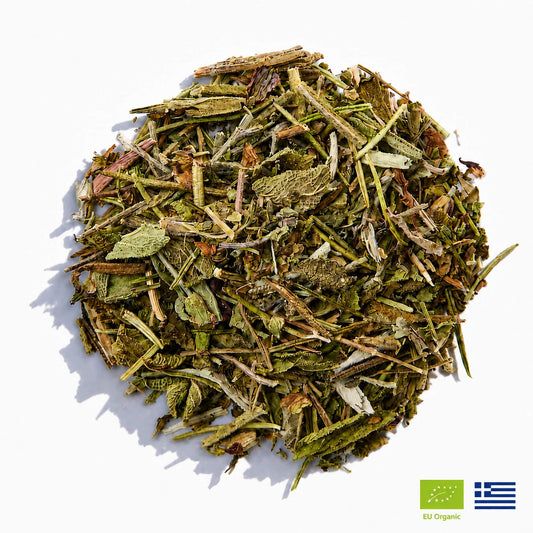
The traditional Ikarian approach combines three primary herbs with complementary mechanisms. Dandelion root (Taraxacum officinale) provides sesquiterpene lactones that support hepatic detoxification through Phase II enzyme induction. Greek sage contributes the anti-inflammatory and cognitive support compounds discussed earlier. Rosemary adds neuroprotective diterpenes and circulatory support through vasodilation.
Those interested in authentic Blue Zone formulations may explore the Ikaria Blue Zone Herbal Tea, which combines these three longevity-linked herbs in traditional proportions using wildcrafted ingredients hand-foraged from Ikaria.
Mountain Tea: The Greek National Remedy
Sideritis scardica, known locally as "mountain tea" or "shepherd's tea," grows at elevations above 1,000 meters throughout Greek mountain ranges. This medicinal herb contains high concentrations of diterpenes, flavonoids, and phenylpropanoids that contribute to its traditional use for respiratory support, digestive comfort, and immune modulation.
A 2020 randomized controlled trial in Planta Medica involving 142 participants with mild cognitive impairment found that Sideritis extract improved attention and working memory scores by 21% after 12 weeks, with mechanistic studies suggesting acetylcholinesterase inhibition and antioxidant activity in hippocampal tissue. The research team noted that effects were dose-dependent, with optimal results at 600-900 mg daily of standardized extract.
For respiratory applications, the traditional preparation involves steeping whole flowering tops for 10 minutes in covered vessels, then inhaling the steam before consumption. This dual-route delivery maximizes benefits through both volatile compound inhalation and systemic absorption of water-soluble constituents.
Evidence Standards and Research Quality
The clinical validation of medicinal herbs requires rigorous methodology, yet historical challenges in funding and standardization have created gaps in the evidence base. Recent discussions in medical literature emphasize the importance of proper study design, adequate sample sizes, and pharmaceutical-grade standardization.
Interpreting Clinical Research
Study design hierarchy in herbal medicine research follows the same evidence pyramid as pharmaceutical research. Systematic reviews and meta-analyses provide the highest level of evidence, followed by randomized controlled trials, observational studies, case series, and traditional use documentation. However, the complex nature of whole-plant preparations presents unique methodological challenges.
Standardization issues complicate cross-study comparisons. A 2019 analysis of 87 published trials examining the same medicinal herb found that active compound concentrations varied by 300-fold across different products, explaining much of the inconsistency in reported outcomes. This variability underscores the importance of sourcing herbs from suppliers who provide phytochemical analysis and consistent growing conditions.
Duration and dosing significantly influence outcomes. Many adaptogenic and tonic herbs demonstrate optimal effects only after 8-12 weeks of consistent use, yet numerous published trials examine only 2-4 week interventions. Similarly, traditional therapeutic doses often exceed those tested in clinical trials due to safety concerns in research settings.
The Herb Society of America's reference resources provide access to comprehensive databases for evaluating herbal research quality and traditional use documentation.
Modern Applications in Functional Medicine
Contemporary integrative practitioners increasingly incorporate medicinal herbs into evidence-based protocols, particularly for conditions where conventional pharmaceuticals provide limited benefit or significant side effects. The functional medicine approach emphasizes addressing root causes through multiple therapeutic modalities.
Inflammation Management
Chronic low-grade inflammation underlies numerous modern health conditions, from metabolic syndrome to neurodegenerative disease. Multiple Mediterranean herbs demonstrate anti-inflammatory activity through COX-2 inhibition, NF-κB pathway suppression, and inflammasome modulation.
A 2021 network meta-analysis published in Phytomedicine compared anti-inflammatory effects across 34 herbal interventions and 8 pharmaceutical NSAIDs, analyzing data from 127 trials. Several herbal preparations demonstrated effect sizes comparable to low-dose ibuprofen (200-400 mg) while showing significantly lower rates of gastrointestinal and cardiovascular adverse events.
Combinations of herbs often outperform single-herb preparations through complementary mechanisms. For example, the pairing of rosemary (Nrf2 activation) with sage (direct COX-2 inhibition) addresses inflammation through both upstream and downstream pathways.
Stress Adaptation and HPA Axis Support
Adaptogenic medicinal herbs influence hypothalamic-pituitary-adrenal axis function, helping maintain homeostasis during physiological and psychological stress. While classic adaptogens like Rhodiola and Ashwagandha receive substantial research attention, several Mediterranean herbs demonstrate similar properties.
Greek sage modulates cortisol response through 11β-hydroxysteroid dehydrogenase inhibition, as demonstrated in a 2019 clinical trial where participants receiving sage extract showed 23% lower cortisol awakening response and improved subjective stress scores after 8 weeks. The mechanism differs from conventional adaptogens, offering complementary rather than redundant support.
Those seeking targeted herbal support for stress management can explore formulations in the calm collection that combine Mediterranean herbs with documented anxiolytic properties.
Geographic Origin and Phytochemical Variation
The concept of terroir applies to medicinal herbs as significantly as to wine grapes. Soil mineral content, altitude, water availability, and sun exposure all influence secondary metabolite production, creating substantial phytochemical variation based on growing location.
The Blue Zone Advantage
The Greek islands designated as Blue Zones, including Ikaria and Crete, provide unique growing conditions that enhance therapeutic compound concentrations. Volcanic soils rich in trace minerals, intense Mediterranean sun, and limited water availability create environmental stressors that increase plant production of protective phytochemicals.
A 2020 comparative analysis published in Journal of Agricultural and Food Chemistry examined rosemary samples from seven Mediterranean locations, finding that Ikarian specimens contained 47% higher rosmarinic acid and 38% higher carnosic acid than commercially cultivated plants. These differences translated to measurably stronger antioxidant activity in standardized bioassays.
Wildcrafting versus cultivation represents another critical distinction. Wildcrafted herbs face natural environmental pressures that stimulate phytochemical production for plant defense, while cultivated varieties often receive irrigation and nutrients that reduce stress-responsive compound synthesis. Research comparing wild and cultivated Origanum vulgare found 2.3-fold higher carvacrol content in wild-harvested specimens.
The importance of sourcing location extends beyond compound concentration to ecological sustainability. Proper wildcrafting practices, including rotating harvest sites and selective gathering that preserves plant populations, maintain both herb quality and environmental health.
Safety Considerations and Contraindications
While medicinal herbs generally demonstrate favorable safety profiles compared to pharmaceutical drugs, responsible use requires understanding potential interactions, contraindications, and appropriate dosing parameters. The assumption that "natural equals safe" oversimplifies the pharmacological activity of these compounds.
Drug-Herb Interactions
Certain medicinal herbs affect cytochrome P450 enzyme systems that metabolize pharmaceutical medications. CYP3A4 induction by herbs like sage can increase metabolism of drugs including immunosuppressants, statins, and certain cardiovascular medications, potentially reducing therapeutic effectiveness. Conversely, CYP inhibition can increase drug concentrations to potentially toxic levels.
A 2021 systematic review in British Journal of Clinical Pharmacology identified 89 documented herb-drug interactions with clinical significance, emphasizing the need for disclosure of herbal use to healthcare providers. The review noted that interactions typically emerge with regular therapeutic dosing rather than occasional culinary use.
Anticoagulant medications require particular attention, as several herbs including sage contain vitamin K that can counteract warfarin effects, while others like ginger may potentiate antiplatelet activity. Patients on blood thinners should consult healthcare providers before initiating therapeutic herb use.
Pregnancy and Lactation Precautions
Many traditional medicinal herbs lack safety data during pregnancy due to ethical constraints on research involving pregnant participants. Conservative guidance suggests avoiding therapeutic doses of most herbs during the first trimester when organogenesis occurs.
Emmenagogue herbs that stimulate uterine tissue, including high-dose rosemary and sage, should be avoided during pregnancy despite their safety in culinary quantities. The professional medical references used by healthcare providers offer comprehensive guidance on herb use during pregnancy and lactation.
Lactation considerations include potential transfer of compounds into breast milk and effects on milk production. Certain herbs may reduce milk supply through dopaminergic activity, while others support lactation. Individual consultation with a qualified herbalist or lactation consultant ensures appropriate selection.
Quality and Contamination Concerns
The unregulated nature of herbal supplements creates potential for adulteration, contamination, and misidentification. A 2019 analysis of 90 herbal products using DNA barcoding found that 33% contained plant species not listed on labels, with some substitutions presenting safety concerns.
Heavy metal contamination represents a significant concern, particularly for herbs grown in areas with industrial pollution or contaminated soils. Lead, cadmium, and arsenic can accumulate in plant tissues, creating chronic exposure risks. Reputable suppliers conduct third-party testing for heavy metals and provide certificates of analysis.
Pesticide residues in conventionally grown herbs may counteract therapeutic benefits through endocrine disruption and oxidative stress. Organic certification provides assurance of cultivation without synthetic pesticides, while wildcrafted herbs from pristine environments like the Greek islands avoid both agricultural chemicals and soil contamination.
Clinical Considerations
Drug Interactions: Mediterranean herbs containing rosmarinic acid may potentiate anticoagulant medications. Sage demonstrates mild anticholinergic properties that could interact with medications for Alzheimer's disease or myasthenia gravis. Oregano's antimicrobial activity may reduce effectiveness of probiotic supplements when taken concurrently. Patients taking prescription medications should consult healthcare providers before initiating therapeutic doses of medicinal herbs.
Contraindications: Individuals with known allergies to plants in the Lamiaceae family (mint, basil, lavender) should exercise caution with sage, rosemary, and oregano. Those with iron-deficiency anemia should note that high tannin content in some herbal teas may reduce iron absorption when consumed with meals. Individuals with hormone-sensitive conditions should discuss sage use with qualified practitioners due to potential estrogenic activity at high doses.
Pregnancy and Nursing: Therapeutic doses of emmenagogue herbs including sage and rosemary should be avoided during pregnancy, though culinary amounts are generally considered safe. Limited safety data exists for most medicinal herbs during lactation. Pregnant and nursing individuals should consult healthcare providers before using herbs therapeutically.
Dosing Guidelines: Traditional therapeutic doses typically involve 1-2 teaspoons of dried herb per cup of water, steeped 7-10 minutes, consumed 2-3 times daily. Effects accumulate over weeks to months of consistent use. Starting with lower doses and gradually increasing allows assessment of individual response and tolerance.
Quality Assurance: Select organic or wildcrafted herbs from reputable suppliers who provide third-party testing for contaminants and phytochemical analysis. Proper storage in airtight containers away from light and heat preserves compound integrity. Whole-leaf preparations demonstrate superior stability compared to powdered forms.
The integration of medicinal herbs into modern wellness protocols bridges millennia of empirical observation with contemporary scientific validation, offering therapeutic options grounded in both tradition and evidence. Understanding the phytochemical mechanisms, proper preparation methods, and clinical considerations enables informed use of these powerful botanical medicines. Greek Superherbs provides access to wildcrafted Mediterranean herbs harvested from Blue Zone regions, processed using traditional methods that preserve bioactive compounds, and packaged in sustainable materials that honor both ancient wisdom and environmental stewardship. Explore their collection of organic Greek teas to experience the therapeutic potential of authentic Mediterranean botanicals in your daily wellness routine.
FDA Disclaimer: These statements have not been evaluated by the Food and Drug Administration. These products are not intended to diagnose, treat, cure, or prevent any disease.
Article written using RankPill.