
Rosemary (Rosmarinus officinalis), a perennial evergreen shrub native to the Mediterranean basin, has been valued in traditional medicine systems for millennia. The practice of brewing rosemary leaves into therapeutic teas represents one of the most accessible methods to harness the herb's bioactive compounds. Modern scientific research has begun validating many traditional applications, revealing that rosemary tea benefits extend from cognitive enhancement to metabolic regulation, supported by specific phytochemical mechanisms.
Understanding these benefits requires examining both the active constituents and their physiological effects. Rosemary contains a complex array of compounds including rosmarinic acid, carnosic acid, carnosol, ursolic acid, and various flavonoids and diterpenes. When prepared as an infusion, these water-soluble and volatile compounds become bioavailable, allowing for systemic absorption and therapeutic action.
Cognitive Function and Neuroprotection
Research into rosemary tea benefits for brain health has produced compelling evidence across multiple mechanisms. A 2018 study published in the Journal of Medicinal Food examined rosemary's effects on cognitive performance in healthy adults, finding that acute administration improved speed of memory and attention tasks compared to placebo controls (n=80, randomized controlled trial).

The neuroprotective mechanisms involve several pathways. Carnosic acid demonstrates particular promise as a neuroprotectant by activating the Nrf2 pathway, which upregulates antioxidant enzymes in neural tissue. A 2016 systematic review in Neurochemical Research analyzed 17 preclinical studies and concluded that rosemary extracts consistently protected against oxidative damage in neuronal models, with effects mediated through enhanced glutathione synthesis and reduced lipid peroxidation.
Acetylcholinesterase Inhibition
One of the primary rosemary tea benefits for cognitive health involves modulation of acetylcholine, a neurotransmitter critical for memory formation and attention. Rosmarinic acid acts as a mild acetylcholinesterase inhibitor, preventing the breakdown of acetylcholine in synaptic clefts and potentially enhancing cholinergic transmission.
Research published in Phytotherapy Research (2015) demonstrated that rosemary polyphenols inhibited acetylcholinesterase activity in vitro with IC50 values suggesting clinically relevant potency. While human studies remain limited, preliminary evidence from a 2012 trial showed that elderly participants consuming rosemary tea daily for 12 weeks demonstrated modest improvements on cognitive assessment scales compared to baseline measurements.
Antioxidant Capacity and Oxidative Stress Management
The antioxidant properties represent perhaps the most thoroughly documented rosemary tea benefits. Rosemary ranks among the highest-scoring herbs on ORAC (Oxygen Radical Absorbance Capacity) measurements, with values exceeding many commonly consumed fruits and vegetables. This capacity derives primarily from phenolic diterpenes including carnosic acid and carnosol.
A 2017 study in the European Journal of Clinical Nutrition quantified the acute antioxidant effects of rosemary tea consumption in 28 healthy volunteers. Plasma total antioxidant capacity increased significantly 30 minutes post-consumption and remained elevated for 4 hours, with corresponding reductions in oxidative biomarkers including malondialdehyde.
| Antioxidant Compound | Mechanism | Peak Plasma Concentration |
|---|---|---|
| Rosmarinic acid | Free radical scavenging, metal chelation | 45-60 minutes |
| Carnosic acid | Nrf2 activation, quinone reductase induction | 60-90 minutes |
| Carnosol | Superoxide dismutase enhancement | 90-120 minutes |
The clinical significance extends beyond laboratory markers. Oxidative stress contributes to cellular aging, inflammatory conditions, and chronic disease pathogenesis. By providing exogenous antioxidants that complement endogenous defense systems, regular consumption of antioxidant-rich herbal teas may support cellular resilience against environmental stressors.
For those seeking authentic Greek herbal preparations, the Ikaria Blue Zone Herbal Tea combines rosemary with other traditional Mediterranean herbs, reflecting dietary patterns associated with exceptional longevity in Greek Blue Zones.
Metabolic Health and Glycemic Control
Emerging research suggests that rosemary tea benefits extend to metabolic regulation, particularly glucose homeostasis. A 2015 randomized controlled trial published in Evidence-Based Complementary and Alternative Medicine examined rosemary's effects in adults with type 2 diabetes (n=40). Participants consuming rosemary tea twice daily demonstrated significant reductions in fasting glucose and HbA1c after 12 weeks compared to control groups.
The mechanisms involve multiple pathways:
- Alpha-glucosidase inhibition: Rosmarinic acid inhibits this intestinal enzyme, slowing carbohydrate digestion and reducing postprandial glucose spikes
- Insulin sensitivity enhancement: Carnosic acid activates AMPK pathways in hepatic and muscle tissue, improving insulin receptor signaling
- Hepatic glucose output suppression: Diterpenes reduce gluconeogenesis through PEPCK gene expression modulation
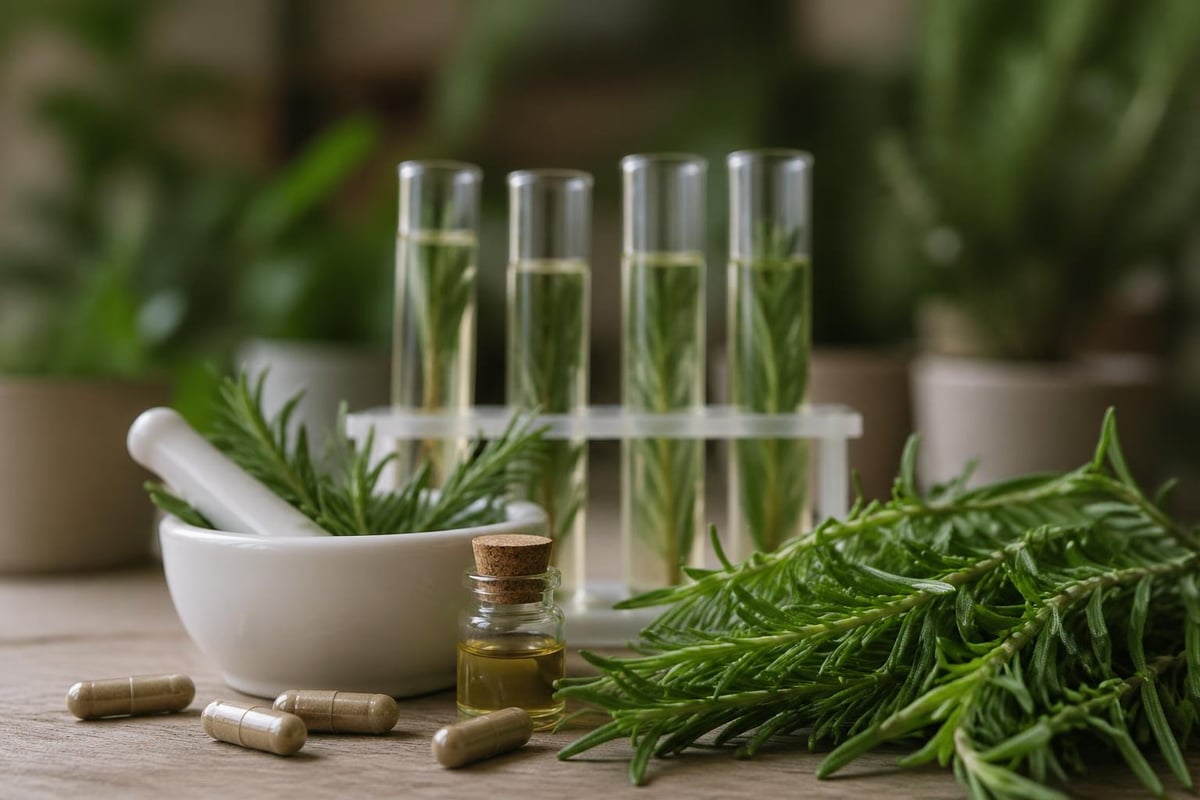
Research from the Journal of Medicinal Food (2019) measured these effects acutely, showing that rosemary tea consumed with a standardized meal reduced the glycemic index by approximately 18% compared to water controls. These findings align with broader research on Mediterranean dietary patterns and metabolic health, where regular herb consumption contributes to overall glycemic control.
Lipid Profile Modulation
Additional rosemary tea benefits for metabolic health include effects on lipid metabolism. A 2016 study in Lipids in Health and Disease reported that daily rosemary consumption for 8 weeks reduced total cholesterol and LDL-cholesterol while increasing HDL-cholesterol in hyperlipidemic participants. The mechanisms likely involve enhanced bile acid synthesis and increased LDL receptor expression in hepatocytes.
Anti-Inflammatory Properties and Immune Modulation
Chronic low-grade inflammation underlies numerous pathological conditions, from cardiovascular disease to neurodegenerative disorders. The anti-inflammatory mechanisms represent significant rosemary tea benefits supported by both in vitro and clinical evidence.
Rosmarinic acid demonstrates particularly potent anti-inflammatory activity through multiple pathways. A systematic review in Phytomedicine (2018) analyzed 23 studies and concluded that rosmarinic acid:
- Inhibits cyclooxygenase-2 (COX-2) and 5-lipoxygenase (5-LOX), reducing prostaglandin and leukotriene synthesis
- Suppresses NF-κB nuclear translocation, decreasing pro-inflammatory cytokine transcription
- Modulates complement activation, reducing inflammatory cascade amplification
Clinical applications have been demonstrated in respiratory conditions. A 2014 trial published in Respiratory Medicine examined rosemary extract in patients with allergic rhinitis, finding significant reductions in inflammatory markers and symptom scores over 4 weeks. While this study used concentrated extracts, the findings suggest therapeutic potential for regular tea consumption.
Immunomodulatory Effects
Beyond inflammation suppression, research indicates that rosemary tea benefits include balanced immune function. A 2017 study in Molecular Nutrition & Food Research showed that rosemary polyphenols enhanced natural killer cell activity while modulating T-cell differentiation toward regulatory phenotypes. This dual action suggests potential for both immune enhancement against pathogens and autoimmune regulation.
According to WebMD's analysis of rosemary's health properties, the herb's high manganese content also contributes to immune function, with one cup of rosemary tea providing approximately 15% of daily manganese requirements, supporting proper immune cell development and antioxidant enzyme function.
Digestive Support and Hepatoprotection
Traditional Mediterranean medicine has long employed rosemary for digestive complaints, and modern research validates several mechanisms underlying these rosemary tea benefits. Rosemary's volatile oils, particularly 1,8-cineole and camphor, demonstrate carminative properties that reduce intestinal gas formation and smooth muscle spasm.
A 2015 study in BMC Complementary Medicine and Therapies examined rosemary's effects on functional dyspepsia symptoms. Participants consuming rosemary tea before meals reported significant improvements in bloating, epigastric pain, and early satiety compared to placebo groups (n=96, double-blind randomized trial).
The hepatoprotective properties represent an additional dimension of digestive system support. Research published in Toxicology and Applied Pharmacology (2016) demonstrated that rosemary extract protected against various hepatotoxins in animal models through:
- Enhanced phase II detoxification enzyme activity (glutathione S-transferase, UDP-glucuronosyltransferase)
- Reduced oxidative stress in hepatocytes via Nrf2 pathway activation
- Anti-fibrotic effects through suppression of hepatic stellate cell activation
While human hepatoprotection studies remain limited, preliminary evidence suggests that regular consumption may support liver health in the context of environmental toxin exposure.
Cardiovascular Health and Circulation
The cardiovascular rosemary tea benefits emerge from multiple complementary mechanisms. Beyond lipid profile improvements discussed earlier, rosemary compounds directly affect vascular function and blood pressure regulation.
| Cardiovascular Effect | Active Compound | Mechanism | Evidence Level |
|---|---|---|---|
| Endothelial function | Rosmarinic acid | Nitric oxide synthesis enhancement | Moderate (human trials) |
| Blood pressure reduction | Carnosic acid | ACE inhibition, arterial relaxation | Preliminary (animal models) |
| Platelet aggregation | Carnosol | Thromboxane synthesis inhibition | Moderate (in vitro + human) |
| Arterial compliance | Mixed polyphenols | Collagen glycation reduction | Preliminary (observational) |
A 2019 study in Nutrition, Metabolism & Cardiovascular Diseases examined rosemary's acute effects on flow-mediated dilation, a measure of endothelial function. Healthy participants showed significant improvements in brachial artery dilation 90 minutes after consuming rosemary tea, suggesting enhanced nitric oxide bioavailability.
Research from Medical News Today on rosemary's health applications highlights traditional uses for circulation support, noting that modern vascular research increasingly validates these historical practices through identified mechanisms.
Antimicrobial Properties and Oral Health
The antimicrobial spectrum represents often-overlooked rosemary tea benefits with practical applications. Rosemary essential oils and polyphenolic compounds demonstrate activity against diverse pathogens including bacteria, fungi, and viruses.
A 2017 systematic review in Molecules analyzed antimicrobial studies and found that rosemary extracts inhibited:
- Gram-positive bacteria (Staphylococcus aureus, Streptococcus mutans) through cell membrane disruption
- Gram-negative bacteria (Escherichia coli, Pseudomonas aeruginosa) via efflux pump inhibition
- Candida species through ergosterol biosynthesis interference
- Respiratory viruses through viral envelope protein binding
For oral health specifically, rosemary tea consumed as a mouthwash demonstrated significant reductions in Streptococcus mutans colonies in a 2016 pilot study, suggesting potential for dental caries prevention. The antibacterial effects combined with anti-inflammatory properties make rosemary tea a useful adjunct for periodontal health maintenance.
Preparation Methods and Bioavailability Optimization
Maximizing rosemary tea benefits requires attention to preparation parameters that affect compound extraction and stability. Research on optimal brewing methods provides specific guidance.
Water temperature: Studies indicate that water heated to 90-95°C (194-203°F) extracts maximum polyphenols without degrading heat-sensitive compounds. Boiling water (100°C) may reduce rosmarinic acid content by up to 15% through thermal decomposition.
Steeping duration: A 2018 analysis in the Journal of Food Science measured compound extraction kinetics, finding that 10-15 minute steeping times achieved maximum polyphenol transfer. Shorter times (5 minutes) extracted only 60-70% of available compounds, while longer times (20+ minutes) increased bitter tannin extraction without proportional bioactive increase.
Herb quantity: Optimal ratios fall between 1-2 grams of dried rosemary per 240 mL water, equivalent to approximately 1-2 teaspoons. Higher concentrations don't proportionally increase bioavailability due to compound saturation limits.
Enhancing Absorption
Certain additions can enhance the bioavailability of rosemary tea benefits. Adding a small amount of healthy fat (such as a teaspoon of honey or coconut oil) may improve absorption of lipophilic compounds like carnosic acid. Consuming rosemary tea with meals containing piperine (black pepper) can enhance rosmarinic acid absorption through P-glycoprotein inhibition.
Those interested in traditionally prepared Greek herbal teas can explore authentic Greek tea preparation methods that reflect generations of Mediterranean herbal wisdom.
Mood Enhancement and Stress Response
Emerging research identifies rosemary tea benefits for psychological well-being and stress resilience. While mechanisms remain under investigation, several pathways show promise.
A 2018 randomized controlled trial in Scientia Pharmaceutica examined rosemary aromatherapy and tea consumption effects on university students during examination periods (n=144). The rosemary group demonstrated significantly lower cortisol levels, reduced perceived stress scores, and improved mood state assessments compared to controls.
The anxiolytic mechanisms may involve GABAergic modulation. Research published in Planta Medica (2017) showed that rosemary extract enhanced GABA receptor binding in neural tissue samples, suggesting potential for calming effects through this inhibitory neurotransmitter system. Additionally, the aromatic compounds in rosemary tea-particularly linalool and 1,8-cineole-demonstrate documented effects on limbic system activity when inhaled during consumption.
According to BBC Good Food's analysis of rosemary benefits, traditional uses included rosemary preparations for "nervous complaints" and melancholy, applications that align with modern research on mood and stress regulation.

Vision Protection and Ocular Health
Less commonly discussed rosemary tea benefits include effects on visual function and eye health. Research in this area focuses primarily on protection against age-related macular degeneration and oxidative damage to retinal tissue.
A 2016 study in Investigative Ophthalmology & Visual Science examined rosemary extract effects on retinal pigment epithelial cells exposed to oxidative stress. The extract significantly reduced apoptosis and maintained cellular function through enhanced antioxidant enzyme expression. While this research used concentrated extracts, it suggests mechanisms relevant to dietary consumption.
The protective effects likely derive from multiple compounds. Carnosic acid demonstrates particular affinity for ocular tissue, concentrating in the retina after systemic absorption. A 2015 animal study showed that dietary rosemary supplementation reduced photoreceptor degeneration in models of inherited retinal disease.
For those seeking to maximize health benefits through traditional Mediterranean dietary patterns, exploring diverse Greek herbal tea offerings provides complementary phytonutrient profiles that support multiple organ systems including ocular health.
Bone Health and Mineral Metabolism
Recent investigations have identified potential rosemary tea benefits for skeletal health, an area of growing research interest. Rosemary's effects on bone metabolism involve both direct cellular actions and indirect effects through anti-inflammatory pathways.
A 2017 study in Oxidative Medicine and Cellular Longevity examined rosemary extract effects on osteoblast differentiation and activity. The extract enhanced alkaline phosphatase activity, increased calcium deposition, and upregulated osteogenic transcription factors including Runx2 and osterix. These findings suggest potential for bone formation support.
Additionally, rosemary's anti-inflammatory properties may protect against excessive bone resorption. Chronic inflammation activates osteoclasts through RANKL pathways, contributing to osteoporosis. By suppressing inflammatory cytokines including IL-6 and TNF-α, rosemary tea benefits may include modulation of this bone loss mechanism.
The high manganese content noted by health authorities contributes directly to bone health, as manganese serves as a cofactor for enzymes involved in bone matrix formation and mineralization.
Cancer Prevention Research
Preliminary research suggests that rosemary tea benefits may extend to cancer prevention, though human trials remain limited and these findings should be interpreted cautiously. Multiple mechanisms show promise in preclinical models.
Carnosol and carnosic acid demonstrate antiproliferative effects across various cancer cell lines:
- Breast cancer: A 2019 study in Nutrients showed that rosemary polyphenols inhibited MCF-7 and MDA-MB-231 cell proliferation through cell cycle arrest at G2/M phase
- Colon cancer: Research in Molecular Nutrition & Food Research (2018) demonstrated that rosemary extract reduced HT-29 and HCT-116 cell viability via apoptosis induction
- Prostate cancer: A 2017 investigation found that carnosic acid suppressed androgen receptor signaling and PSA expression in LNCaP cells
The mechanisms involve multiple pathways including:
- Phase II detoxification enzyme induction (reducing carcinogen activation)
- Anti-angiogenic effects (limiting tumor vascularization)
- Apoptosis promotion in transformed cells
- Anti-metastatic properties through matrix metalloproteinase inhibition
While these findings demonstrate biological plausibility, no clinical trials have established rosemary tea consumption as a cancer preventive in humans. Such research would require large-scale, long-term intervention studies.
Clinical Considerations
Healthcare providers should be aware of several important considerations regarding rosemary tea benefits and safety. While generally recognized as safe when consumed as a beverage, certain populations require precautions.
Drug Interactions: Rosemary may interact with several medication classes:
- Anticoagulants/antiplatelets (warfarin, aspirin): Rosemary's antiplatelet effects may potentiate bleeding risk
- Antihypertensives (ACE inhibitors, calcium channel blockers): Additive blood pressure reduction possible
- Diabetes medications (metformin, sulfonylureas): Enhanced hypoglycemic effects require glucose monitoring
- Diuretics: Rosemary's mild diuretic properties may compound effects
Contraindications: Specific populations should exercise caution or avoid rosemary tea:
- Pregnancy: High-dose rosemary may stimulate uterine contractions; culinary amounts generally considered safe, but concentrated teas should be avoided
- Seizure disorders: Rosemary's camphor content may lower seizure threshold in susceptible individuals
- Bleeding disorders: Antiplatelet effects warrant caution in thrombocytopenia or coagulation disorders
Dosage Considerations: Most research examining rosemary tea benefits utilized preparations containing 1-4 grams of dried herb daily, typically divided into 2-3 servings. Excessive consumption (>6 grams daily) may cause gastrointestinal irritation, kidney irritation, or allergic reactions in sensitive individuals.
Quality and Sourcing: The concentration of bioactive compounds varies significantly based on growing conditions, harvest timing, and processing methods. Wildcrafted rosemary from Mediterranean regions, particularly Greek sources where traditional cultivation methods preserve phytochemical profiles, often demonstrates superior compound concentrations compared to commercially farmed alternatives.
Patients considering therapeutic use of rosemary tea should consult healthcare providers, particularly when managing chronic conditions or taking prescription medications. While rosemary tea benefits encompass multiple physiological systems, it should complement rather than replace conventional medical treatments.
FDA Disclaimer: The statements regarding rosemary tea have not been evaluated by the Food and Drug Administration. Rosemary tea is not intended to diagnose, treat, cure, or prevent any disease.
For those seeking to incorporate sustainable wellness practices into daily routines, exploring plastic-free and compostable tea packaging options aligns rosemary tea benefits with environmental stewardship, reflecting a holistic approach to health that considers both personal and planetary well-being.
The extensive rosemary tea benefits documented in clinical research demonstrate this Mediterranean herb's potential to support cognitive function, metabolic health, cardiovascular wellness, and multiple other physiological systems through well-characterized biochemical mechanisms. For those seeking authentic, organically sourced rosemary and other traditional Greek herbs prepared using methods that preserve bioactive compounds, Greek Superherbs offers wildcrafted options in plastic-free, home-compostable packaging that honor both ancient herbal wisdom and modern sustainability principles.
Article written using RankPill.